

Quick answer: If you want a Turbo AI or TurboLearn AI alternative for active studying, start with QuizRise for quizzes, flashcards, summaries, sharing, and printable practice from your own PDFs, notes, websites, and videos. If your main need is research over uploaded sources, NotebookLM is usually the better fit; if your main need is long-term memorization, compare Anki and RemNote.
Why Students Need More Than Just Information
Today’s students have access to more information than any generation in history. However, the real challenge is no longer finding information but deciding which information truly matters.
Between PDFs, lecture recordings, YouTube videos, AI-generated notes, and countless online resources, students often spend more time organizing information than actually learning.
Accessing information is only part of the learning process. Many students still spend hours taking notes, believing that rewriting information from their study materials into a notebook is an effective way to learn. However, research suggests that simply copying information is a relatively ineffective learning strategy. In many cases, students focus more on writing than on understanding.
This becomes especially apparent with aesthetically pleasing notes created using colorful pens and elaborate formatting. While these notes may look impressive, attractive notes do not necessarily lead to effective learning.
A more effective approach is to read the material and then attempt to write down what you remember without looking at your notes. Because this method requires retrieving information from memory, it strengthens learning and is often more effective than traditional note-taking.
However, considering the amount of information students face in the 21st century, even this approach may not be enough on its own. Hours spent manually taking notes and reviewing material can consume a significant amount of time.
As a result, modern learning strategies increasingly focus on scientifically supported methods such as Active Recall and Spaced Repetition. Quizzes, practice questions, and structured review systems encourage students to apply knowledge in different contexts. Rather than simply reading information, students actively retrieve it, use it, and retain it for much longer.
In this article, we’ll explore the features offered by Turbo AI, compare the best Turbo AI alternatives, and evaluate which tools do the best job of supporting modern, evidence-based learning methods.
Quick Comparison of Turbo AI Alternatives
| Alternative | Best For | Key Strength | Consider If You Need |
|---|---|---|---|
| QuizRise | Students and educators | Quizzes, flashcards, summaries, sharing, and printable quizzes | Active learning and classroom-ready quiz workflows |
| NotebookLM | Research-heavy learners | Source-grounded answers and notes | Help understanding uploaded sources |
| Knowt | Flashcard-first students | Flashcards, quizzes, and spaced repetition | Retention-focused exam review |
| AI-Tutor.ai | Learners who want guided explanations | Personalized tutoring and concept explanations | Help understanding difficult topics |
| NoteGPT | Students reviewing videos, PDFs, and websites | Fast summaries and AI notes | Quick content review before practice |
| Anki + AnkiHub | Long-term memorization | Advanced spaced repetition and shared decks | Customizable review for heavy memorization |
| RemNote | Knowledge-management learners | Notes, flashcards, and spaced repetition | A connected long-term study system |
What Is Turbo AI?
Turbo AI, formerly Turbolearn AI, is an AI-powered study assistant designed to help students learn more efficiently and spend less time creating study materials manually.
The platform can process lecture recordings, PDFs, notes, videos, and other learning resources, then automatically transform them into summaries, flashcards, quizzes, and study guides.
Turbo AI has become particularly popular among students who need to review large amounts of information in a short period of time. Instead of spending hours organizing notes and creating revision materials, users can upload their content and generate study resources within minutes.
Key Features of Turbo AI
- AI-powered summaries and note generation
- Automatic flashcard creation
- Quiz generation from study materials
- Lecture recording analysis
- Study guide creation
- Support for PDFs, videos, notes, and other content formats
Turbo AI offers notes, flashcards, quizzes, and other study tools. Still, many students compare alternatives when they want a different workflow for retrieval practice, classroom sharing, printable quizzes, or long-term review.
Why Students Look for Turbo AI Alternatives
1. More Emphasis on Active Recall
Turbo AI makes it easy to generate summaries, notes, quizzes, and study guides from lectures and documents. While this can save time, many students eventually realize that reading summaries alone does not always lead to long-term retention.
Research consistently shows that actively retrieving information from memory is one of the most effective ways to learn. As a result, many students begin looking for study tools that place a greater emphasis on quizzes, flashcards, practice questions, and other Active Recall-based learning methods.
2. Interest in Spaced Repetition
Remembering information for an exam is very different from remembering it weeks or months later.
Many students explore Turbo AI alternatives because they want Spaced Repetition systems that schedule reviews based on their learning progress.
3. Pricing Considerations
Cost is another factor that influences students when choosing an AI study tool.
As more competitors enter the market, learners often compare pricing, available features, and overall value before deciding which platform best fits their needs.
4. Need for a Complete Study System
Creating summaries and flashcards is helpful, but many students want more than content generation.
They are looking for platforms that help them organize study materials, track progress, identify weak areas, and build consistent study habits.
5. Growing Demand for AI Tutors and Personalized Learning
The newest generation of AI study tools goes beyond generating notes and summaries.
Students now expect personalized learning experiences, AI tutors, adaptive feedback, and interactive explanations that help them understand difficult concepts.
How We Selected These Turbo AI Alternatives
We selected these tools based on the study workflows students usually compare: supported input types, quiz and flashcard generation, Active Recall support, Spaced Repetition, note-taking, ease of use, and fit for different learning styles.
This comparison is based on public product information and workflow fit. A feature not being highlighted in this guide should be read as editorial emphasis, not as a claim about absent capabilities in Turbo AI or any other tool. Turbo AI and Turbolearn AI are trademarks of their respective owner. QuizRise is independent and is not affiliated with, endorsed by, or sponsored by Turbo AI.
Free and Pricing Questions to Ask
Before choosing a Turbo AI alternative, check what is included in the free plan, how many AI generations are allowed, whether uploads are limited, and whether export or sharing features require a paid plan. Students should also compare whether the tool only summarizes material or also helps create practice.
If you want a free starting point for active recall, QuizRise lets students begin creating quizzes, flashcards, and summaries from their own material. Start with the AI quiz generator, AI flashcard generator, PDF to quiz maker, or YouTube video summarizer depending on your source.
The 7 Best Turbo AI Alternatives in 2026
1. QuizRise
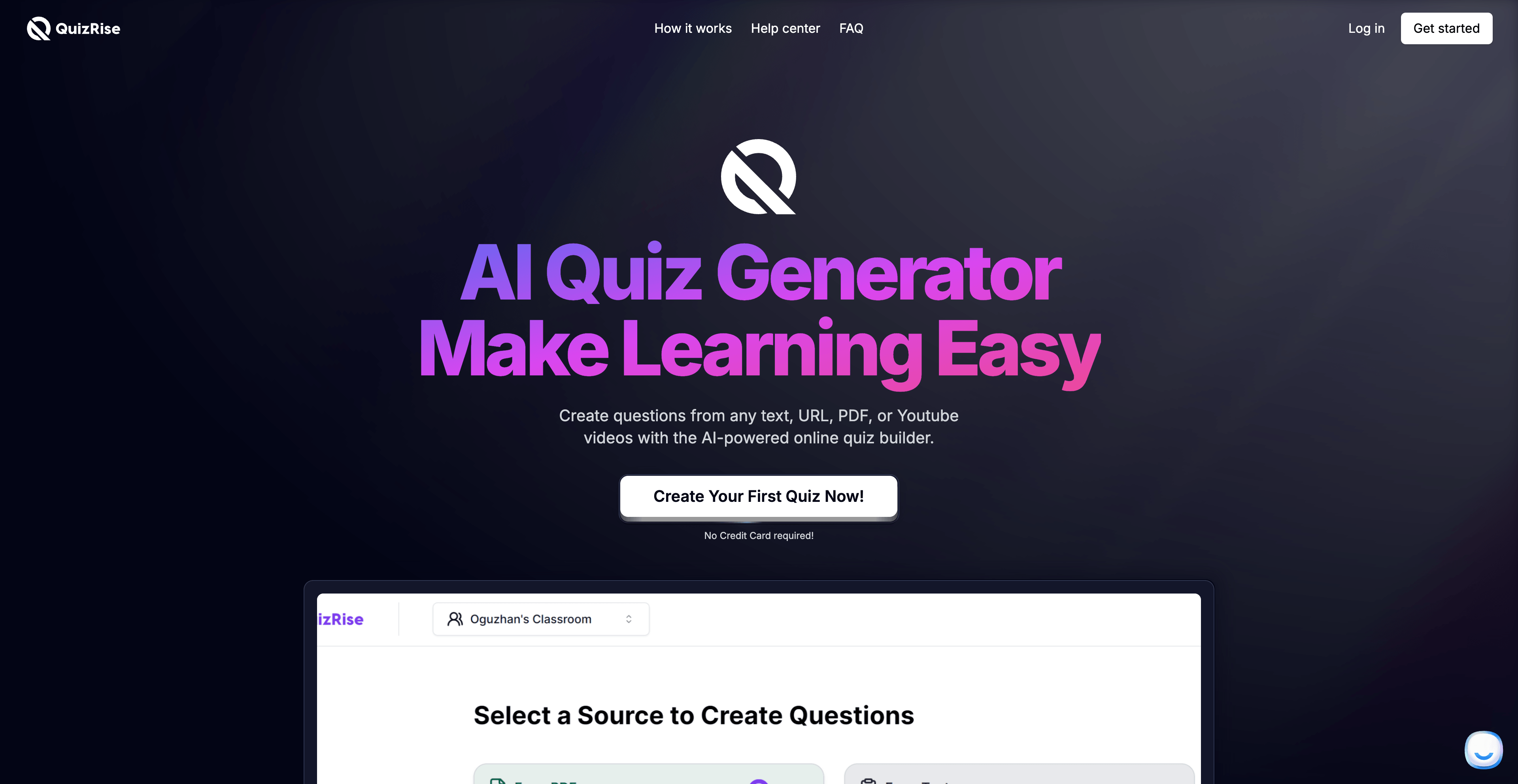
QuizRise is an AI-powered study platform designed to help students transform their study materials into interactive learning resources. Instead of spending hours creating flashcards, quizzes, and summaries manually, students can upload PDFs, notes, YouTube videos, presentations, web pages, or text content and generate study materials within seconds.
As a former science teacher, one thing I noticed repeatedly was that students often confused reviewing with learning. Many would spend hours rereading notes, highlighting textbooks, and creating aesthetically pleasing study materials, yet struggle to remember the same information a few weeks later. The issue was rarely a lack of effort. More often, their study methods relied heavily on passive review rather than active learning.
QuizRise is built around a different approach. Instead of simply helping students organize information, it encourages them to actively engage with what they are learning. By transforming content into quizzes and flashcards, the platform supports Active Recall, a learning technique that requires students to retrieve information from memory rather than simply reread it. Educational research consistently shows that retrieval practice is one of the most effective learning strategies for improving long-term retention and exam performance.
Another advantage of QuizRise is its flexibility. Students can create study materials from a wide variety of sources, including lecture notes, PDFs, presentations, YouTube videos, web pages, and online articles. This allows learners to spend less time creating study materials and more time actively learning.
QuizRise can also be valuable for teachers and educators. Instead of manually creating assessments and revision materials, educators can quickly generate quizzes, share them with students, create printable PDF quizzes, and identify concepts that may require additional review. This makes it easier to support learning while reducing preparation time.
Some of QuizRise’s key features include:
- AI-powered quiz generation
- Automatic flashcard creation
- Study summary generation
- Support for PDFs, notes, YouTube videos, presentations, and web pages
- Active Recall-focused learning tools
- Teacher-friendly quiz sharing features
- Customizable study materials
For students looking for a Turbo AI alternative that supports Active Recall, simplifies study material creation, and encourages long-term retention, QuizRise can be a strong option in 2026.
2. NotebookLM
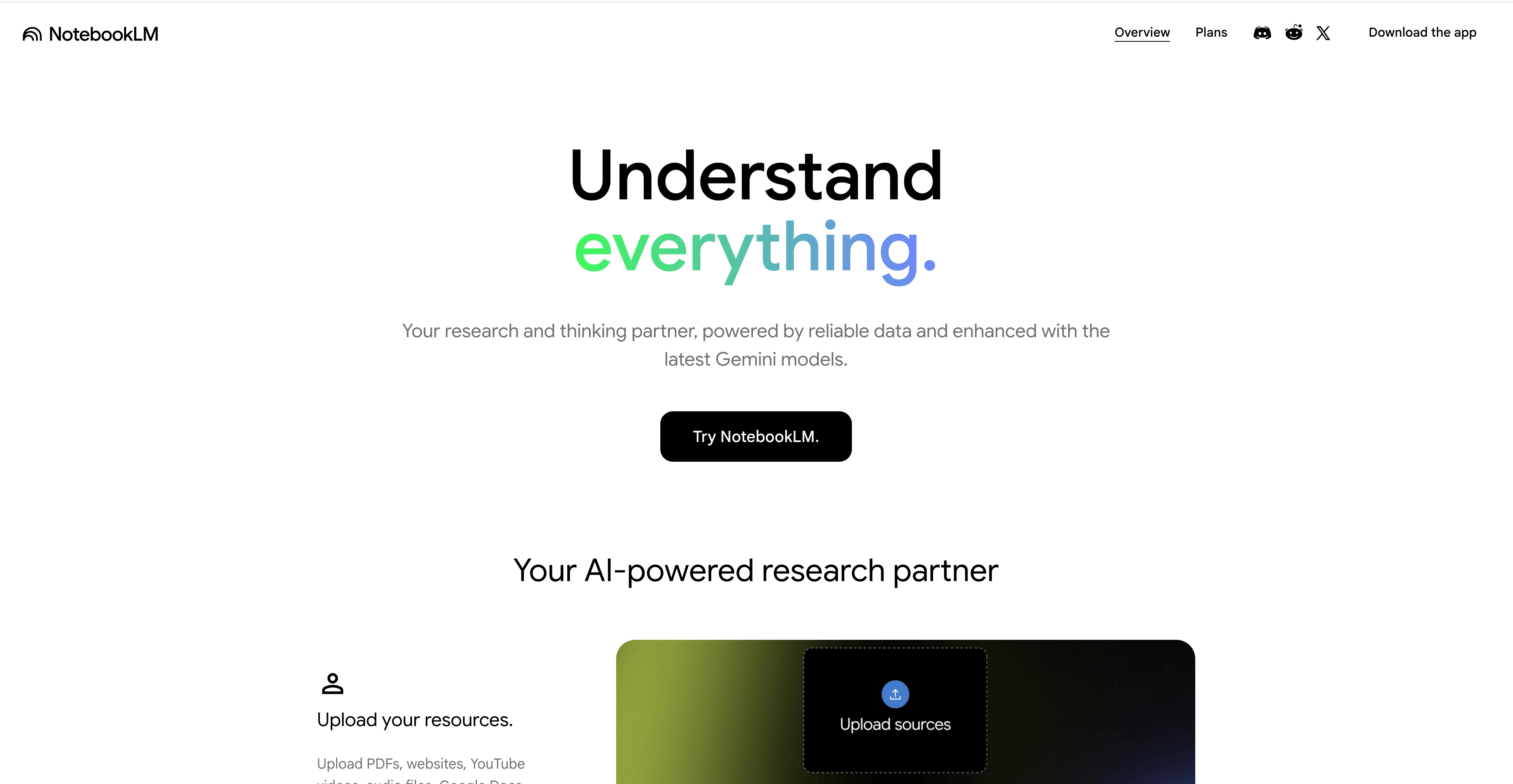
NotebookLM is an AI-powered research and note-taking tool developed by Google. Users can upload PDFs, lecture notes, articles, and other documents, then ask questions directly about their sources and receive AI-generated responses based on those materials.
The platform has become particularly popular among students, researchers, and professionals who regularly work with large amounts of information. One of its biggest strengths is that responses are grounded in uploaded sources rather than general web searches, helping users stay focused on their own study materials.
Some of NotebookLM’s key features include:
- Source-grounded AI answers
- PDF and document analysis
- AI-generated summaries
- Study guide generation
- Audio Overviews
- Google ecosystem integration
NotebookLM is especially useful for research-based learning and information analysis. However, students looking for quizzes, flashcards, and Active Recall-based learning will often need an additional study platform.
3. Knowt
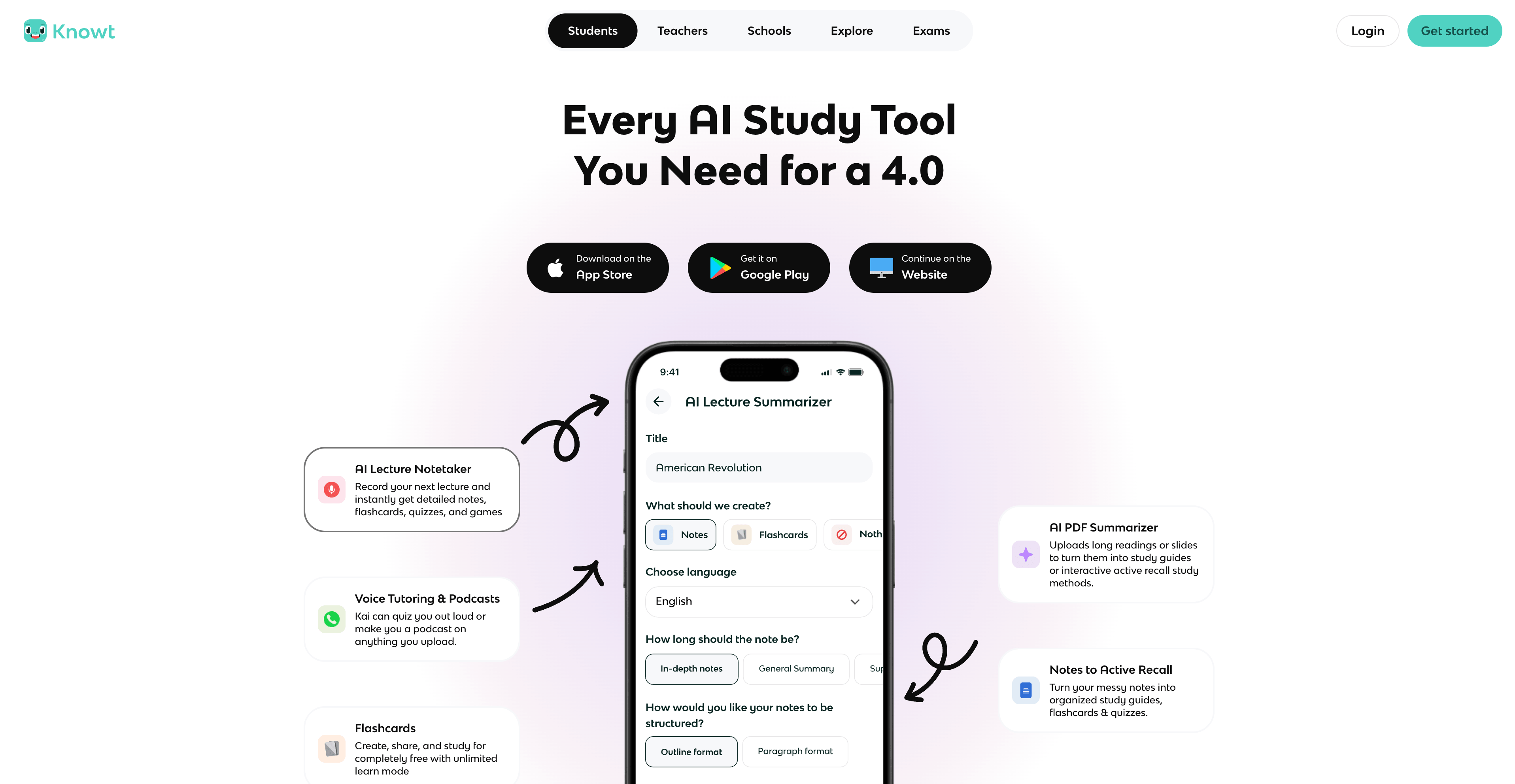
Knowt is an AI-powered study platform focused on flashcards, quizzes, and Spaced Repetition. Students can upload notes and quickly convert them into study materials designed to improve retention and review efficiency.
The platform is particularly popular among students preparing for exams because it helps structure review sessions and encourages regular practice.
Some of Knowt’s key features include:
- AI-generated flashcards
- Quiz creation
- Spaced Repetition system
- Practice tests and study modes
- Note importing
- Collaborative learning tools
Knowt is a solid option for students who primarily study with flashcards, though students looking for quizzes, summaries, and multiple study formats may prefer more comprehensive platforms.
For a deeper comparison of tools in this flashcard and quiz workflow, read the Knowt alternatives guide.
4. AI-Tutor.ai
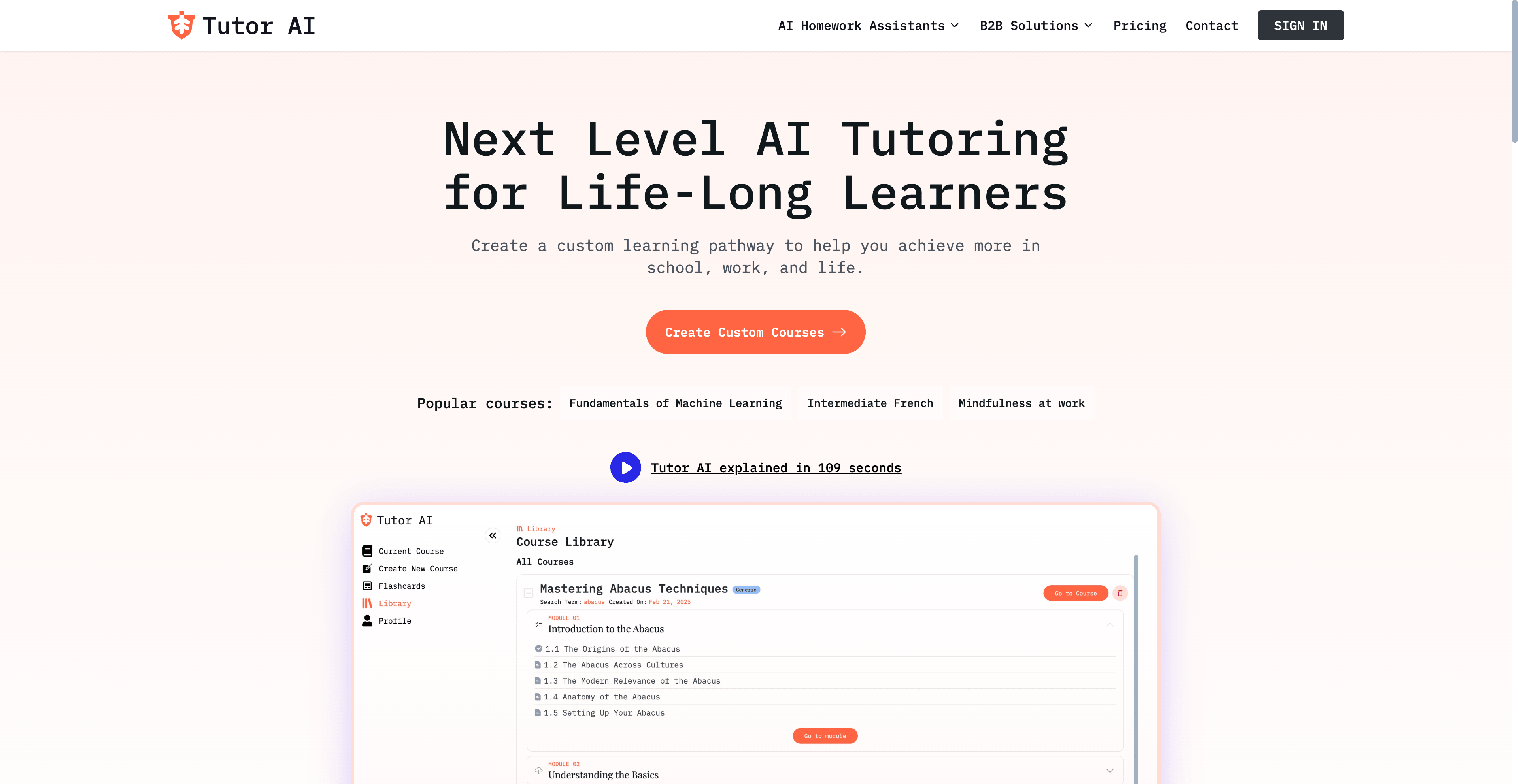
AI-Tutor.ai takes a different approach from many study tools by focusing on personalized tutoring rather than study material generation. Instead of simply creating notes or flashcards, the platform aims to help students understand concepts through interactive explanations and guided support.
Students can ask questions, request explanations, and receive personalized assistance while studying.
Some of AI-Tutor.ai’s key features include:
- Personalized AI tutoring
- Interactive question answering
- Concept explanations
- Adaptive learning support
- Homework assistance
- Exam preparation tools
AI-Tutor.ai is particularly useful for concept explanations and personalized guidance, though students who prefer self-testing through quizzes and flashcards may benefit from combining it with another study tool.
5. NoteGPT
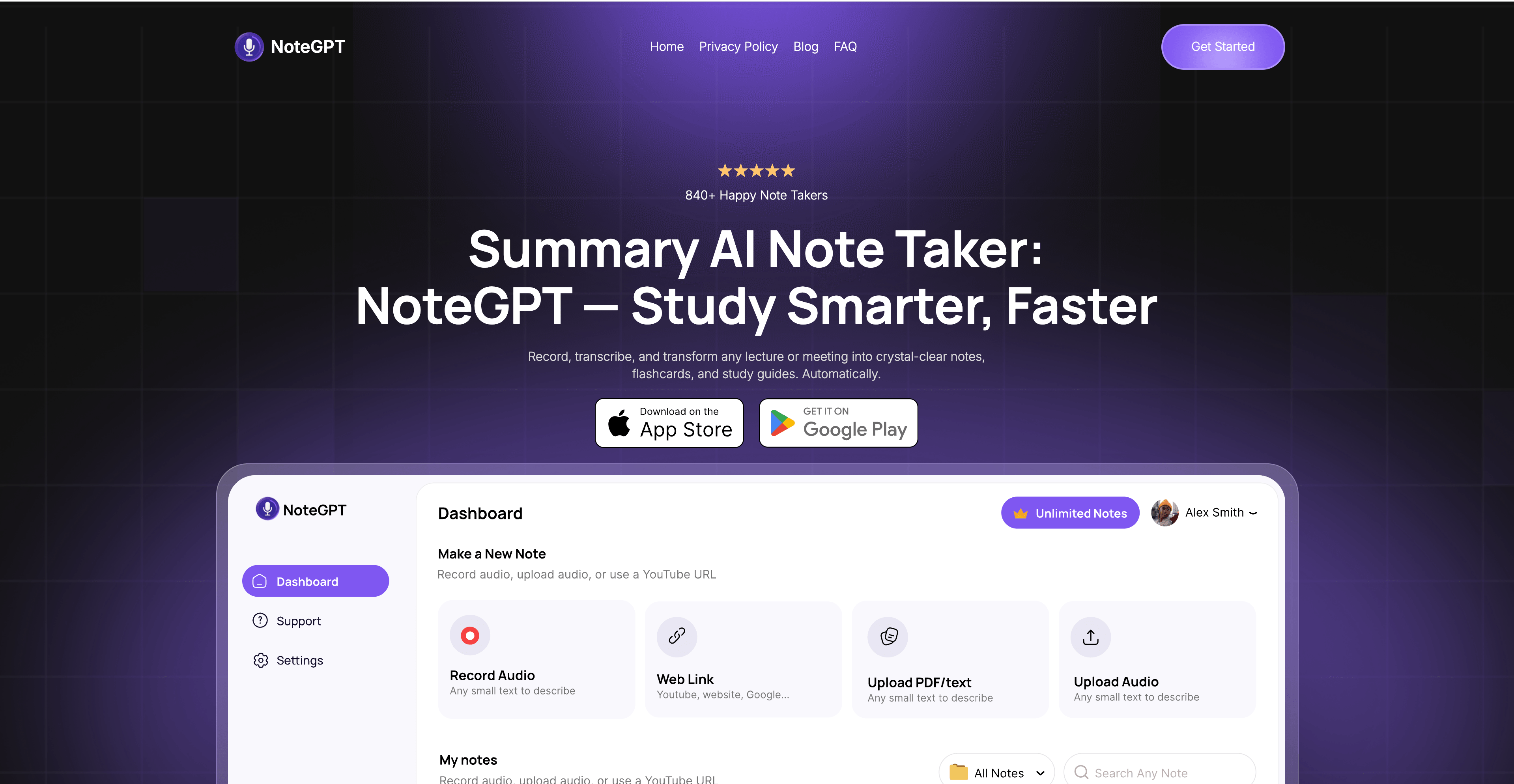
NoteGPT is an AI-powered note-taking and summarization platform designed to help students process information from videos, PDFs, articles, and websites more efficiently.
The platform is especially useful for students who consume large amounts of educational content and want to extract key points quickly.
Some of NoteGPT’s key features include:
- YouTube video summaries
- PDF summarization
- AI-generated notes
- Website and article analysis
- Mind map generation
- Multi-format content support
NoteGPT is excellent for consuming information quickly, but it focuses more on summarization than on retrieval-based learning and long-term retention strategies.
6. Anki + AnkiHub
Anki remains one of the most respected learning tools for long-term memorization. When combined with AnkiHub, students gain access to collaborative flashcard decks and community-driven study resources.
The platform is particularly popular among medical students and learners who need to retain large amounts of information over extended periods.
Some of Anki + AnkiHub’s key features include:
- Advanced Spaced Repetition
- Shared flashcard decks
- Long-term retention optimization
- Community-generated content
- Extensive customization
- Cross-device support
Anki remains one of the most effective tools available for long-term retention, although its setup process and learning curve can feel intimidating compared to newer AI-powered study platforms.
For a focused comparison around AI flashcards, spaced repetition, and QuizRise workflows, see the dedicated QuizRise Anki alternative page.
7. RemNote
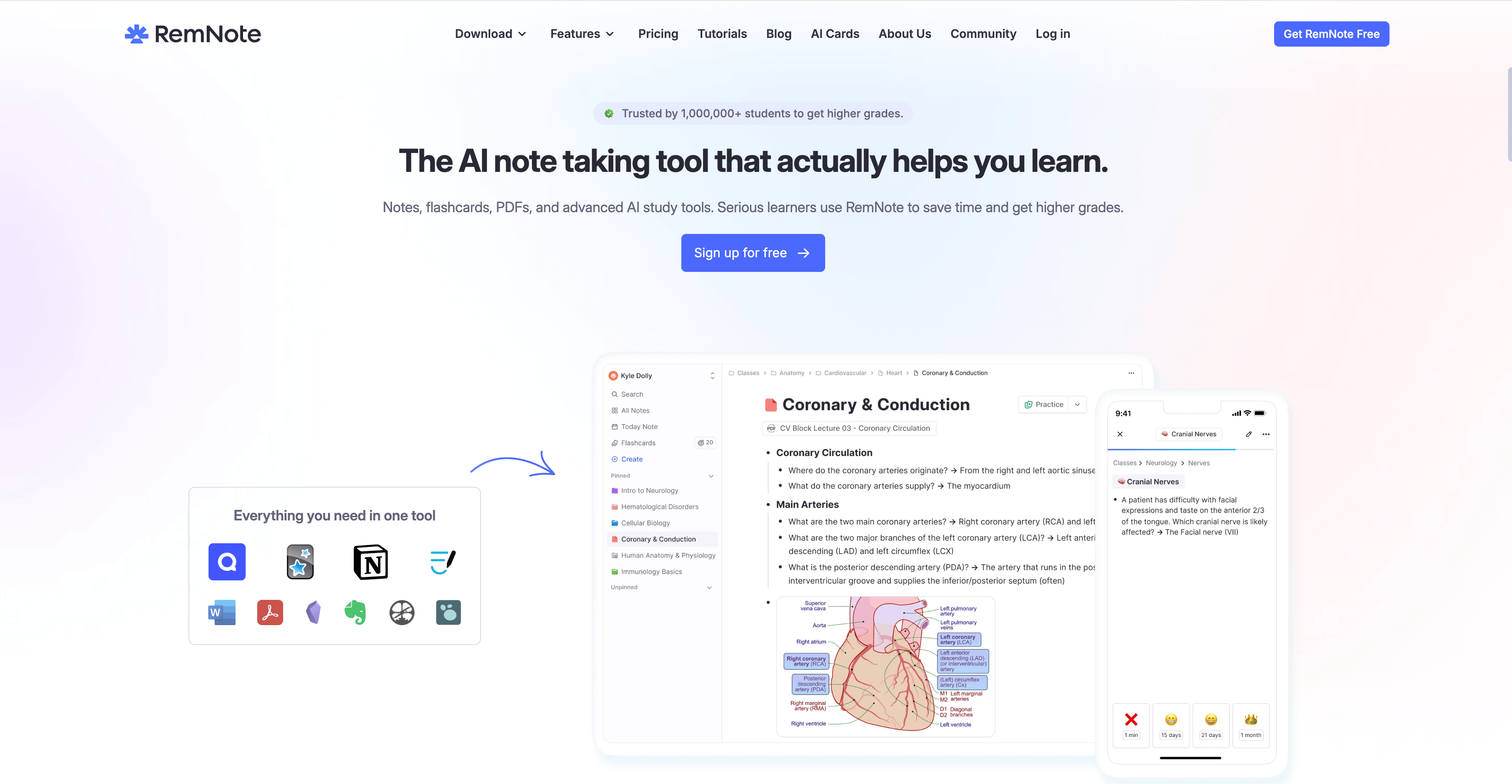
RemNote combines note-taking, knowledge management, and Spaced Repetition into a single learning environment. The platform is designed for students who want to build a long-term knowledge system rather than simply create study materials.
Its knowledge graph structure helps users connect concepts and organize information over time.
Some of RemNote’s key features include:
- Integrated notes and flashcards
- Spaced Repetition learning
- Knowledge graph organization
- AI-assisted learning tools
- Task and study management
- Long-term retention support
RemNote offers a powerful knowledge management system, but its feature-rich interface may require more time to master than simpler study tools.
Final Thoughts
There is no single study tool that is perfect for every student. The right choice ultimately depends on your learning style, study goals, and the way you prefer to review information.
If your primary goal is research and source analysis, NotebookLM is an excellent option. If you are focused on long-term memorization, Anki and RemNote offer powerful Spaced Repetition systems. Students looking for personalized guidance may prefer AI-Tutor.ai, while NoteGPT can be useful for quickly summarizing large amounts of content.
However, throughout this article, one theme has remained consistent: effective learning requires more than simply reading summaries.
Educational research consistently shows that students retain information more effectively when they actively retrieve it from memory and revisit it over time through methods such as Active Recall and Spaced Repetition.
This is where QuizRise can be useful for many students comparing Turbo AI alternatives.
Rather than focusing only on summarization, QuizRise is designed to help students actively engage with what they are learning. By turning PDFs, notes, YouTube videos, presentations, and web pages into quizzes, flashcards, and study guides within seconds, the platform makes it easier for students to move from passive review to active practice.
As a former science teacher, I often saw students spend countless hours creating beautiful notes, highlighting pages, and rereading materials, only to struggle when it came time to recall information during exams.
The students who achieved the best results were rarely the ones who spent the most time rereading. Instead, they were the students who regularly tested themselves, identified gaps in their understanding, and practiced retrieving information from memory.
QuizRise helps make that process simple and accessible.
For students who want a Turbo AI alternative that combines convenience, flexibility, Active Recall, and evidence-based learning strategies, QuizRise is a practical option to consider in 2026.
Related Reading
Study Strategy
Competitor Comparisons
Focused QuizRise Comparisons
Frequently Asked Questions
What is the best Turbo AI alternative?
The best Turbo AI alternative depends on your study workflow. QuizRise can be a strong option for students and teachers who want quizzes, flashcards, summaries, printable quizzes, and shareable practice materials. NotebookLM is better suited for source-grounded research, while Anki and RemNote are strong for long-term spaced repetition.
Is there a free Turbo AI alternative?
Several Turbo AI alternatives offer free access or free tiers. QuizRise lets users start creating study materials for free, while tools like NotebookLM, Knowt, Anki, and RemNote may also offer free or low-cost ways to study depending on the features you need. Always check current pricing and usage limits on each provider's official pricing page.
What pricing details should I compare before choosing a Turbo AI alternative?
Compare monthly limits, upload limits, supported file types, export options, sharing, classroom features, and whether quizzes or flashcards are included in the plan you are considering.
Which Turbo AI alternative is best for flashcards?
Knowt, Anki, RemNote, and QuizRise are all worth comparing for flashcards. Anki is known for advanced spaced repetition, Knowt is useful for flashcard-first study, RemNote combines notes and flashcards, and QuizRise is helpful when you want flashcards alongside quizzes and summaries from the same study materials.
Which Turbo AI alternative is best for teachers?
QuizRise can be practical for teachers because it supports quiz generation, sharing, printable quizzes, and classroom-friendly assessment workflows. Teachers can turn PDFs, notes, videos, websites, or text into practice materials without building each quiz manually.
Is QuizRise better than Turbo AI?
Neither tool is universally better. Turbo AI can be a strong fit for AI note-taking, lecture recording, editable notes, and multi-format study tools. QuizRise may be a better fit when you specifically need active learning, flexible quiz generation, flashcards, printable quizzes, sharing, and teacher-friendly assessment workflows.